Leaking basement walls can disrupt your home’s comfort, and they often signal moisture issues. Fluctuating weather patterns and freeze-thaw cycles increase the risk of water intrusion. These conditions put stress on your foundation. At Basement Waterproofing of Michigan, we help homeowners understand why these leaks occur, and our professional systems fix leaking basement walls before long-term structural damage develops. Here are a few common causes and solutions for leaking walls in your basement:
Understanding Wall Leaks
Basement walls are surrounded by soil, which naturally holds moisture during heavy rain or snowmelt. This accumulation creates hydrostatic pressure. Physical forces may push water through cracks in the concrete or through aging mortar joints. As the water moves inward, it often appears as damp spots or visible seepage. Natural settling over time can open new pathways for water entry. These environmental conditions require professional solutions to fix leaking basement walls and stop the cycle of intrusion.
Identifying Entry Points
Foundation cracks are a frequent cause of leaking walls. Vertical fissures often form naturally as concrete cures over time. These cracks allow for moisture penetration during heavy rainstorms. Horizontal cracks indicate extreme pressure from expanding soil, and they may lead to structural issues if they are not reinforced.
Mortar joints between foundation blocks also weaken over time, and water travels through these deteriorating joints into your living space. This often happens when exterior drainage is poor. Window wells are another risk area, and improperly drained wells collect rainwater. This trapped water may leak around window frames and seep directly into the wall system. Additional vulnerabilities that can lead to moisture intrusion in your basement wall include:
- Tie rod holes: Small circular openings left over from the original construction process, and these spots leak as the internal metal rod rusts and expands against the concrete.
- Pipe penetrations: Openings for sewer or water lines that create gaps in the foundation wall. Specialized hydraulic cement is frequently required to seal these areas against high-pressure groundwater.
- Cove joints: The seams where the wall meets the floor slab. This transition point is susceptible to seepage when the water table beneath your home rises.
Recognizing Warning Signs
Early detection helps limit future repairs, and it reduces the risk of long-term structural damage. Water stains on basement walls frequently appear as dark patches or vertical streaks. These marks indicate where moisture is actively penetrating the masonry.
A white residue may also signal moisture movement through your walls. This residue forms as salt minerals are left behind when water evaporates. Musty odors may suggest ongoing dampness, and these smells often indicate that moisture is trapped behind finished walls.
Peeling paint suggests that hydrostatic pressure is building up behind the surface, and this trapped liquid can lead to mold growth. Addressing these warning signs early helps you fix leaking walls before the problems spread to your flooring or electrical systems. At Basement Waterproofing of Michigan, our technicians will identify these warning signs during a professional inspection and provide a targeted plan to secure your foundation.
Utilizing Interior Drainage Systems
Interior waterproofing systems manage water after it enters the foundation, and these systems control moisture without the need for exterior excavation. Interior perimeter drains are installed along the base of the basement walls. They sit beneath the concrete floor to catch seepage at the source. These specialized drains collect water from the wall-floor joint, and they redirect it toward a high-capacity sump pit. Sump pumps remove the collected water efficiently, and they discharge it through a dedicated line away from your foundation. This drainage helps relieve hydrostatic pressure against the walls. It prevents groundwater from rising into your finished living space.
Fix Leaking Basement Walls Today
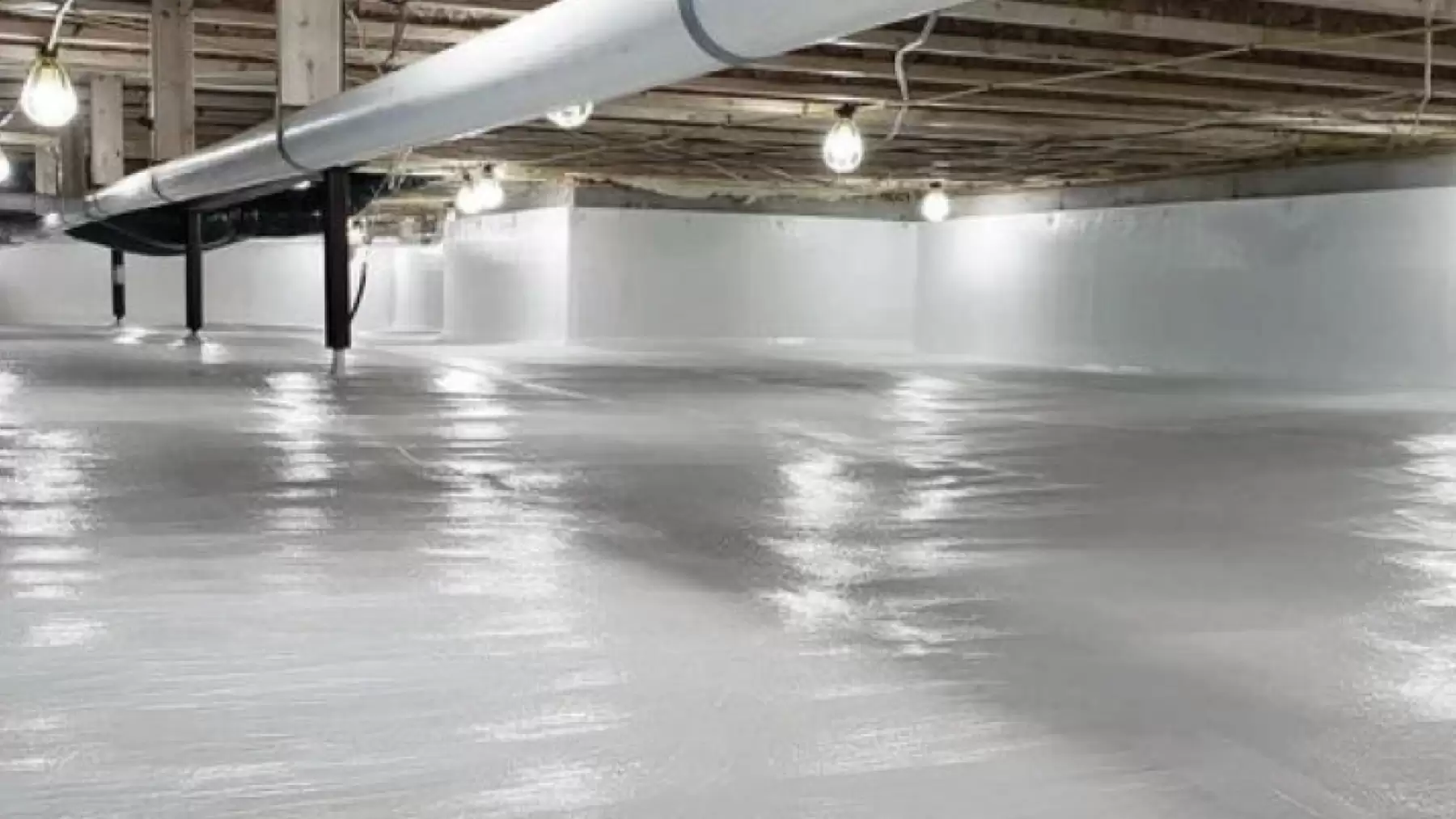
Persistent basement moisture often affects adjacent crawl spaces, and addressing drainage pressure and wall integrity helps protect your entire foundation. At Basement Waterproofing of Michigan, we apply advanced interior drainage systems and seasonal crawl space solutions to manage moisture throughout the year. Our team understands how to fix leaking basement walls by targeting the source of the intrusion, and we use high-quality materials to offer lasting repairs. Visit Basement Waterproofing of Michigan today to schedule your comprehensive inspection and keep your basement dry and protected.