
Sagging floors occur when the structural supports beneath a floor, such as joists or beams, shift, weaken, or deteriorate over time, causing the surface to be uneven. These subtle changes may trace back to what’s happening underneath the house. At Basement Waterproofing of Michigan, we’ve spent more than 30 years helping homeowners prevent structural problems before they turn into major repairs. Here are a few maintenance tips for homeowners to prevent sagging floors:
Watch For Early Warning Signs
Many floor issues begin in the basement or crawl space, where small environmental alterations gradually affect the framing above. When humidity rises or materials weaken, the floor can be damaged. A brief seasonal walkthrough is often enough to spot developing concerns before they become structural problems. Pay attention to:
- Damp or musty smells that linger
- Visible mold or mildew
- Cracks in foundation walls
- Wood joists that look darkened or soft
- Metal supports with rust forming
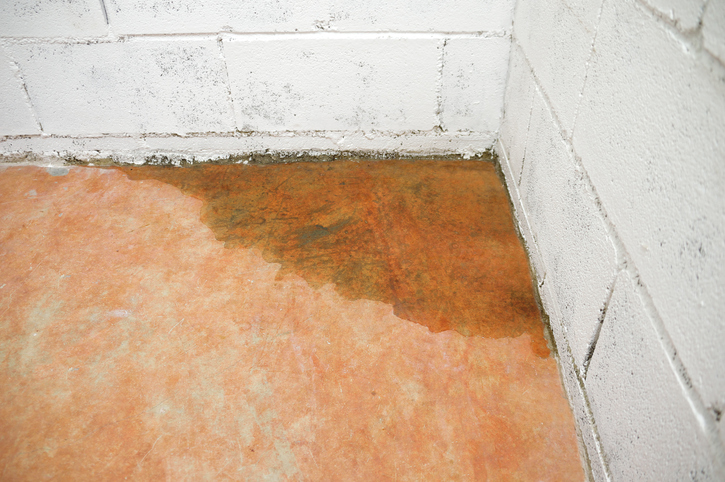
Moisture does not always mean standing water; high humidity alone can weaken wood over time. That gradual weakening may lead to sagging floors because the joists gradually lose their ability to distribute weight evenly. Identifying these warning indicators early allows for targeted solutions such as installing a dehumidifier, improving drainage, sealing minor foundation cracks, or strengthening specific support areas.
Control Moisture Early
Michigan’s seasonal shifts may bring heavy spring rains, snowmelt, and humid summers, elevating basement moisture levels. Even homes that appear dry sometimes experience humidity fluctuations; this gradually affects structural materials. Waterproofing systems help regulate those conditions before damage begins. Interior drainage solutions, exterior waterproofing, sump pump installation, and dehumidification systems work together to stabilize the environment beneath your home. When wood framing stays dry and consistent, it performs the way it was designed to.
Encapsulation can significantly improve conditions beneath the home, especially in vented or partially finished spaces. Professionals are able to seal the area; this helps reduce humidity, improve indoor air quality, and protect structural framing from gradual deterioration. For homes that have concrete foundations, proper moisture and airflow control help to create long-term stability.
Pay Attention To Exterior Drainage
Water movement around the exterior of a home directly affects foundation performance. Poor grading or clogged gutters may seem minor at first, but over time, they contribute to soil expansion and compression. Proper drainage supports consistent soil stability and reinforces the foundation’s long-term performance.
When soil compresses unevenly, the foundation may settle, and that movement often shows up inside a home as sloped or uneven floors. Sometimes the change develops gradually or becomes more noticeable after a season of heavy rainfall. Addressing drainage early helps maintain balanced structural support throughout the home.
Downspouts should extend several feet from the foundation to direct water away efficiently. Gutters must remain clear, and the surrounding soil should slope away from the structure rather than toward it. These adjustments help reduce the likelihood of settlement and preserve consistent floor alignment over time.
Reinforce And Repair When Necessary
Not every structural concern requires extensive reconstruction. In some cases, targeted foundation repair or pier installation stabilizes specific areas before movement spreads, and early reinforcement prevents additional strain on surrounding supports. Additional support posts or reinforced beams correct developing sagging while preserving the rest of the structure.
When early warning signs go unaddressed, structural strain increases, and secondary damage can follow. Addressing the following issues early protects structural integrity and long-term property value:
- Floors become increasingly uneven
- Drywall cracks widen
- Doors and windows fall out of alignment
Basement Waterproofing of Michigan understands how regional soil composition and seasonal moisture patterns affect residential and commercial properties. That local experience shapes every recommendation we provide. Solutions must reflect real environmental conditions rather than generic assumptions, so results depend on precision.
Protect Your Home From Sagging Floors
The beams, joists, and foundation beneath your home support every room above, even though you rarely see them. When you control moisture and schedule regular inspections, those supports can stay strong, and small issues are less likely to turn into major problems. Preventing sagging floors isn’t just about reacting after damage appears; it’s about taking consistent steps now to keep your home stable for years to come. If you have noticed uneven areas beneath your home, schedule a professional inspection with Basement Waterproofing of Michigan. Our team will evaluate your property, clearly explain your options, and help you choose the right solution for your needs and budget. Flexible financing options are available. Taking action now protects your investment and keeps your home solid for years to come.