Leaking basement walls are often the result of hydrostatic pressure buildup in the soil around your home’s foundation. When the water has nowhere to go, it can push against basement walls and floors, forcing moisture through cracks and seams. Basement Waterproofing of Michigan helps fix leaking basement walls, and we provide exterior drainage solutions to prevent future issues. Here are several steps involved in fixing your leaking basement walls:
Identifying Early Warning Signs
Water intrusion may not show up as a sudden flood in your basement. Some leaks develop slowly as moisture starts to work its way into your foundation walls, floor joints, and small cracks. These issues are subtle, and some homeowners may diagnose them as normal humidity or minor cosmetic issues.
Paying attention to early signs is key to identifying issues quickly and avoiding the need to fix leaking basement walls. Once water has moved into your basement walls and floors, it can lead to mold growth, structural deterioration, and poor indoor air quality. Possible signs of water intrusion include:
- Discolored spots on walls and floors
- White, chalky residue on concrete, also called efflorescence
- Musty odors
- Peeling or flaking paint on walls
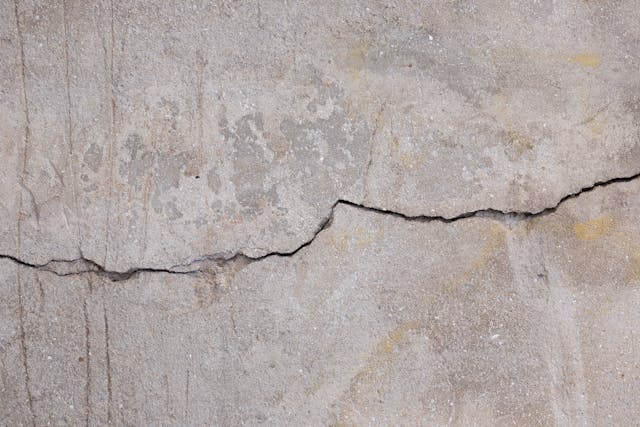
- Cracks in walls or floors
- Warped baseboards
While these might seem like small issues, they have the potential to spread and intensify if left unchecked. Conducting regular inspections or hiring waterproofing professionals allows you to take proactive steps. Addressing small problems prevents the need for large renovations or structural repairs on your walls; it can also reduce the waterproofing steps required in the future.
Understanding Perimeter Drainage Systems
Leaking basement walls occur when groundwater enters through the foundation. Perimeter drain systems provide a path for the moisture to move towards drainage channels instead of seeping across your basement floors. Waterproofing professionals install drain lines that run along your basement perimeter; these channels collect moisture and guide it towards an outlet point, typically a sump basin. This setup is designed to manage water after entry, rather than stopping it from penetrating the foundation. Drainage systems make sure that water does not accumulate on floors or along walls.
Adding Protection With Vapor Barriers
A vapor barrier is a layer of material installed over basement walls to prevent moisture intrusion. It separates the floor from the interior space, helping manage the moisture that passes through porous concrete. Vapor barriers are made from durable, water-resistant materials. Professionals install the vapor barriers and fasten them carefully to make sure the entire basement surface is covered. Basement walls vary between homes, so vapor barriers are tailored to fit irregular surfaces and structural transitions. This provides a watertight seal that protects against moisture intrusion and prevents the need for extensive wall repairs in the future.
Using Sump Pumps
Basement wall seepage is one of the reasons why sump pump installation is necessary in many homes. Professionals install sump pumps in basins, also known as sump pits. The basin collects water that has been moved into the area by the drainage channels, and once the water reaches a certain point, a pump moves water out of your home through a discharge line. A sump pump works automatically and turns off once the water is removed.
The water moves through pipes away from the foundation of your home into a designated drainage point. Drainage spots include yard outlets or storm runoff areas. This prevents the water from re-entering your basement or pooling around the foundation. By moving water away from your structure, a sump pump helps support consistent drainage, and it eliminates the need for manual water removal.
Implementing Exterior Drainage Solutions
Exterior drainage solutions allow homeowners to manage water pressure before it causes leaking basement walls. When the soil becomes too saturated around your foundation, it forces moisture through small openings; controlling that water flow helps provide a layer of protection for your home. Perimeter drain lines collect excess groundwater and redirect it away from your home foundation, while exterior sealing involves applying a protective coating to keep water out. Coatings consist of materials like tar and plastic.
Fix Leaking Basement Walls With Expert Help
Prevention is a key step in caring for your basement walls. Monitor small cracks or spots of moisture to make sure they do not cause extensive damage, and work with a professional company to implement various waterproofing solutions. Contact Basement Waterproofing of Michigan today to learn more about our services and schedule a complimentary home inspection.