Soil movement, moisture changes, or aging support systems can lead to issues like uneven floors. When these structural concerns occur, targeted stabilization techniques help restore proper load-bearing capabilities. At Basement Waterproofing of Michigan, our team uses a range of methods to assess and repair foundations. Here are some foundation stabilization techniques for long-term safety:
Identifying and Correcting Underlying Issues
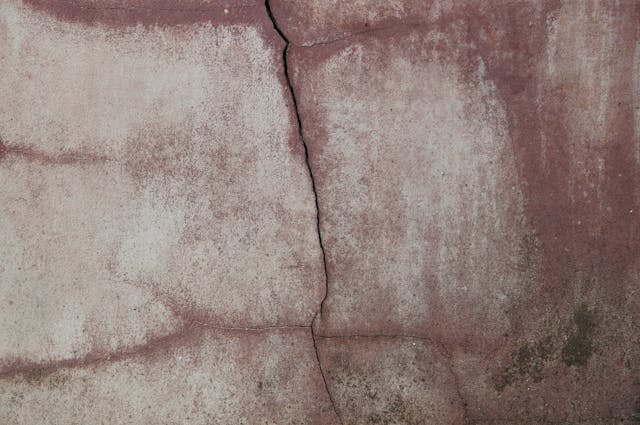
Foundation problems manifest in various ways; this includes wall cracks, sticking doors, uneven floors, and visible gaps between walls and floors. Although visible signs alert homeowners to an issue, successful foundation stabilization begins with a diagnostic evaluation. A professional inspection determines the underlying causes of observed movement, and this includes identifying structural deterioration. Soil composition, water drainage patterns, and the condition of existing support elements are all reviewed. Once the root causes are identified, a customized repair plan is developed.
Stabilization often involves underpinning the foundation with piers. The technique uses structural supports, such as steel pilings, beneath the foundation; this transfers weight to stable soil layers. These supports reinforce the existing foundation by redistributing loads away from compromised conditions. Underpinning offers an effective solution where soil settlement, erosion, or expansive clay soils cause movement. At Basement Waterproofing of Michigan, our professionals install piers to precise depths and configurations customized to each property’s needs.
Restoring Primary Load-Bearing Structures
The main beam offers structural integrity in crawl spaces, and it helps support floor joists. Beams also transfer weight to piers or footings below. These beams can deteriorate due to moisture exposure, rot, insect activity, or excess loading. When a main beam weakens, the entire floor system sags or warps. A main beam replacement is a targeted approach to addressing crawl space support.
The replacement process begins with accurately assessing the existing beam’s condition and load requirements. Technicians then prepare the area by installing temporary supports; this safely carries loads while the compromised beam is removed. Once the structure is secured, the new main beam is installed, sized, and placed to meet building code requirements.
Stabilizing the beam restores correct load distribution within the space. This type of stabilization is key when beam sagging has progressed to the point where floor heights are visibly uneven. By replacing the main beam, contractors make sure that future movement is minimized, and this makes sure that the floor system performs as originally intended.
Leveling and Structural Reinforcement
Sagging floors are addressed through a combination of leveling techniques. This begins with a detailed assessment to pinpoint areas where joists, beams, or piers are no longer effectively carrying loads. Measuring the degree of the floor deflection helps determine the most corrective approach, such as:
Installing adjustable steel support posts beneath weakened joists or beams to restore load-bearing capacity.
Transferring structural loads from compromised framing down to stable soil or engineered footings.
Carefully adjusting posts to gradually lift and level sagging floor sections.
Improving crawl space access to allow for future monitoring and adjustments.
These corrective measures restore level floor surfaces; they also redistribute structural loads. This helps the entire floor system operate uniformly. At Basement Waterproofing of Michigan, our team provides services to address foundation settlement and sagging floors.
Crawl Space Supports and Substructure
Reinforcing crawl space support elements that are compromised helps to transmit even loads. This can prevent settlement, floor deflection, and even stress on foundation walls. Technicians evaluate the condition of existing supports and identify any areas where shifting occurs. Other contributing factors to shifting include moisture intrusion or inadequate construction.
One stabilization method includes crawl space jack posts or adjustable columns; these steel supports are placed beneath key load-bearing points to transfer weight properly. The adjustable nature of these posts allows for precise leveling, making sure that the structure above is evenly supported. Technicians may install blocking and bridging between joists to improve load distribution. This technique reduces lateral movement and spreads load forces more evenly across multiple support points.
Use Foundation Stabilization Services
Foundation stabilization involves a structural system that depends on various conditions, including the current state of support beams, both above and below ground. At Basement Waterproofing of Michigan, our team combines diagnostic expertise with proven stabilization techniques, and this involves underpinning, beam replacement, floor leveling, and more. Contact us today to learn more about our foundation services and repair solutions.